



Digging in dirt — the feel of soil and the aroma of fresh-turned earth — walking a crushed gravel path, brushing against fragrant plants, hearing birdsong or wind chimes — only a garden offers these experiences. When we engage the senses, the garden becomes a healing balm.
In nearly every ancient culture, there is a description of a Garden of Paradise. Look up paradise or Eden, and you’ll find “garden” alongside words that describe joy, peace, and delight. Modern science now supports what ancient gardeners intuitively knew: Working with plants reduces stress, lifts mood, and aids recovery. Patients who view gardens heal faster; touching soft, textured plants calms the nervous system; and time in sunlight and soil increases serotonin and dopamine, our body’s natural mood stabilizers. Simply put, gardens heal body and mind.
Sense-Ability in Garden Design
After the noise of daily life, stepping into a garden feels like a calming exhale. Whether tending vegetables or walking among flowers, we reconnect with something tangible. Many garden design clients say, “My garden is my therapy.” After work, they wander through, discovering what new flower has bloomed or picking veggies for dinner.
The garden is a seductress — it keeps us longing for the scent of lilacs, the flavor of mint tea, or the sweetness of a fresh-picked raspberry. Sensory garden design intentionally immerses visitors in texture, color, taste, aroma, and sound.
It begs us to ask: What makes a garden look, smell, and feel so good?
To deepen the appreciation, let’s explore the five senses in a garden: sight, hearing, smell, taste, and touch.
Sight
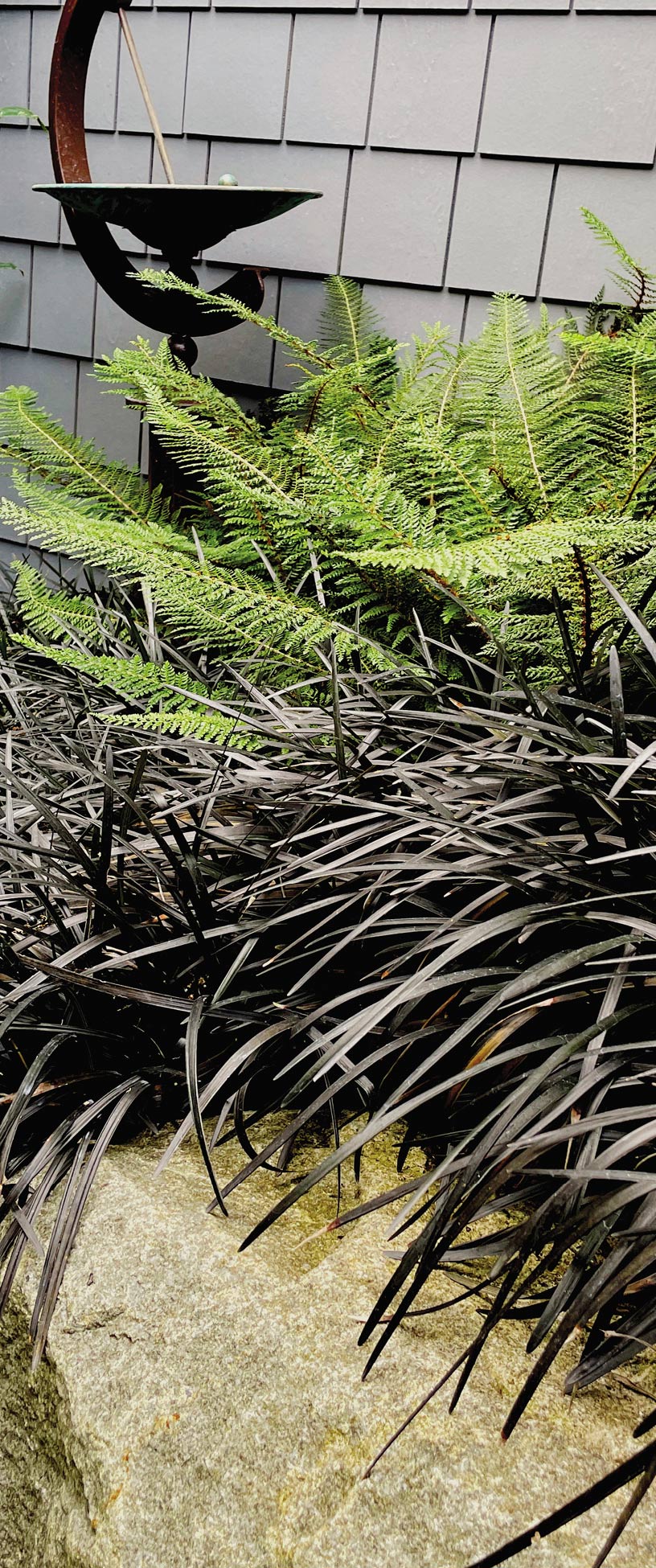
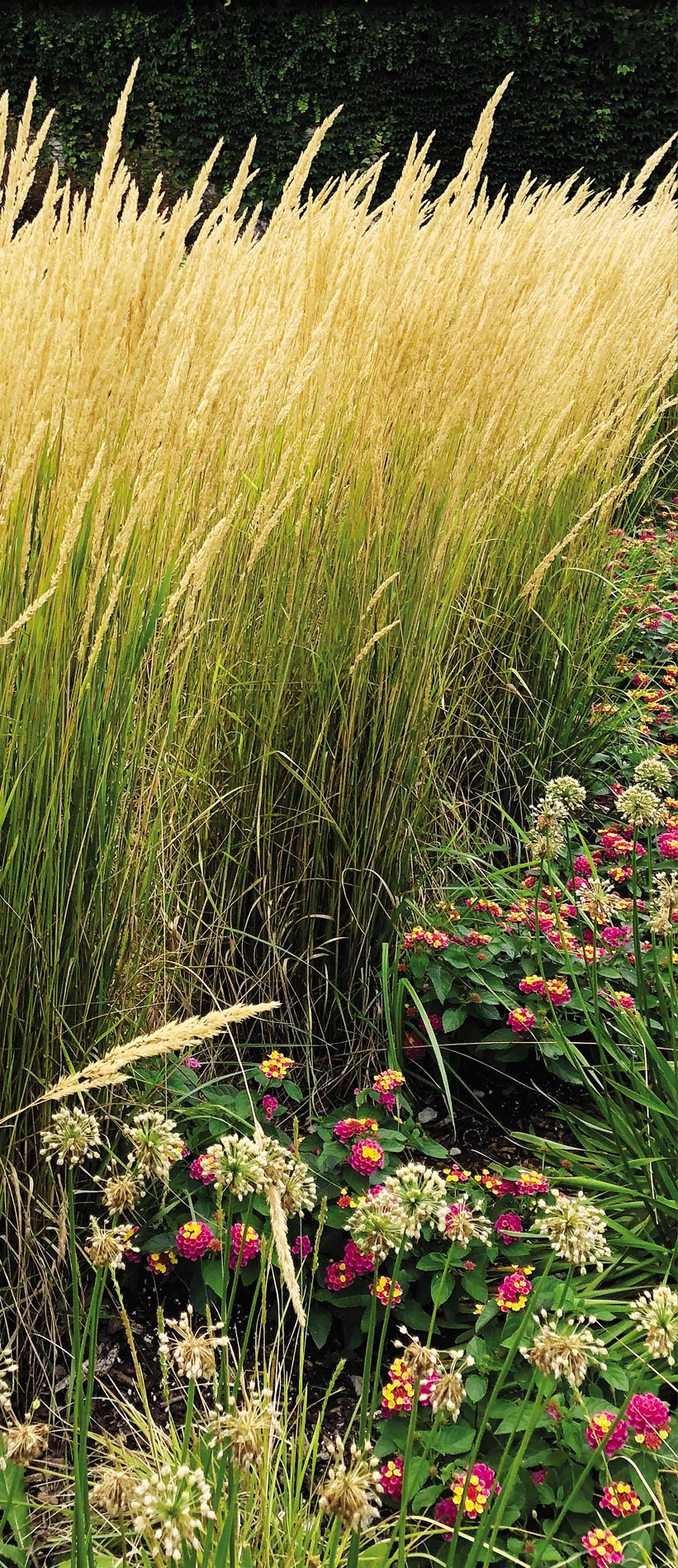
Colorful flowers draw us into a garden, but visual design goes beyond blooms. Light, shadow, and texture all play essential roles. Create visual interest by choosing plants with character — spiky, linear, soft, interesting silhouettes or large, dramatic, colorful leaves.
Every landscape benefits from a focal point. Artwork, sculpture, pottery, rock formations, or a specimen tree can anchor a design and create visual energy. It’s about what catches the eye — and makes the visitor want to move closer.
Hearing
Nature needs no technology to create sound in the garden. Birds, bees, grasses, and water compose a natural soundscape. Encourage sounds by planting seed-bearing perennials like coneflowers or sunflowers to attract birds, and pollinator plants to invite the gentle hum of insects. Add the organic sound of ornamental grasses and bamboo rustling in the wind. Water is essential in a sensory garden. Place water features where the sound can be heard gently through the space without overwhelming it. Sometimes the simplest elements — a pottery fountain, a bubbling rock, or a shallow stone where raindrops collect and dance — create the most peaceful effects.
Taste
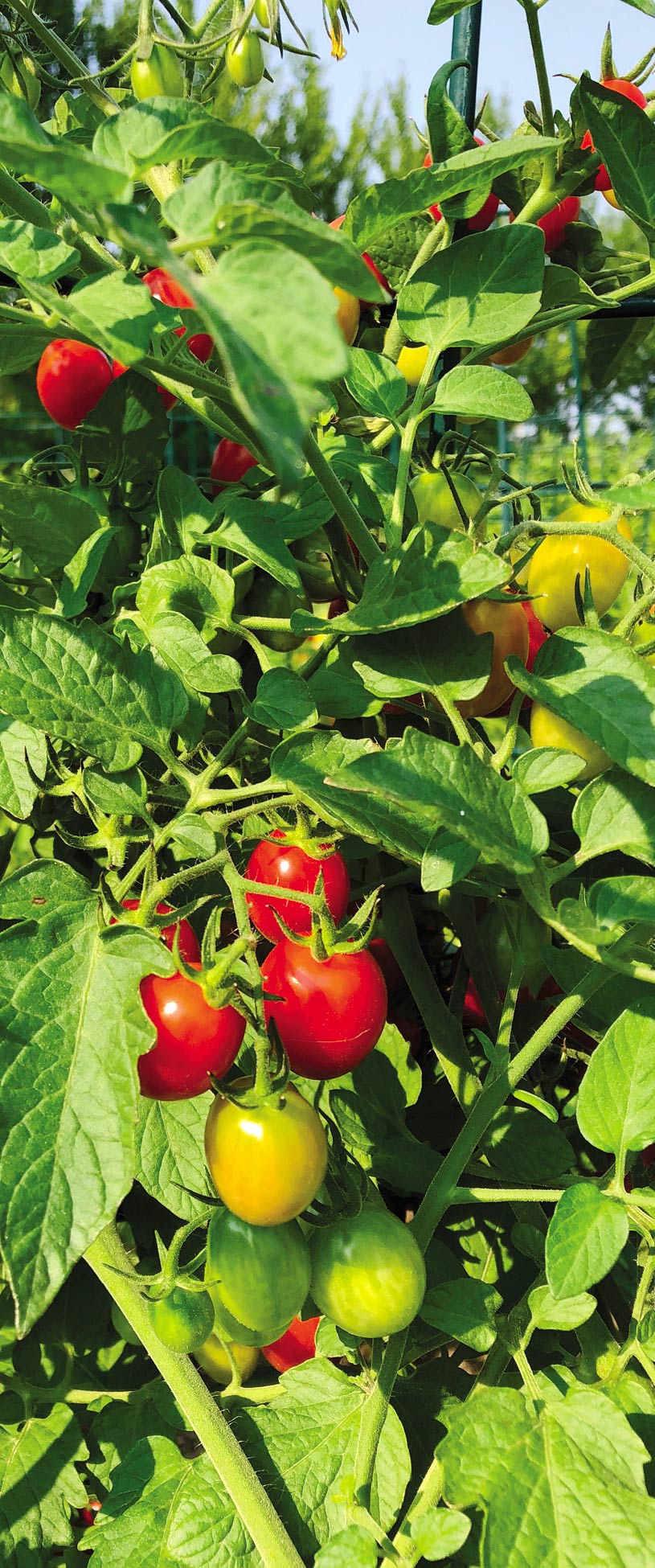
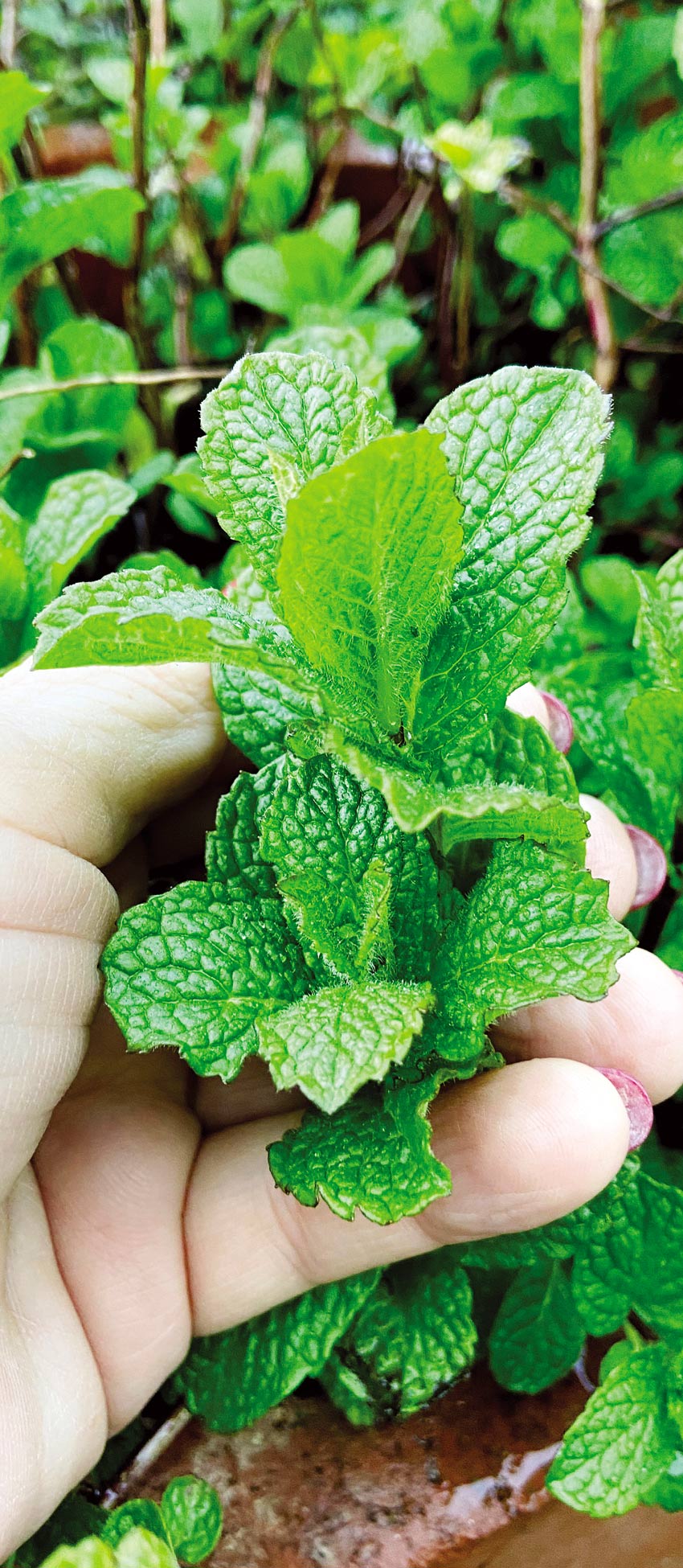
Garden herbs, vegetables, fruits, and flowers all entice the taste buds. Edible gardens don’t have to be large or elaborate. Even a small container garden with herbs and a tomato plant can awaken the sense of taste. In small gardens, choose compact or dwarf varieties of vegetables and herbs. In larger edible spaces, add structure with raised beds, pathways, fences, and borders so the design layout remains attractive as plants are harvested and replaced through the seasons.

Touch
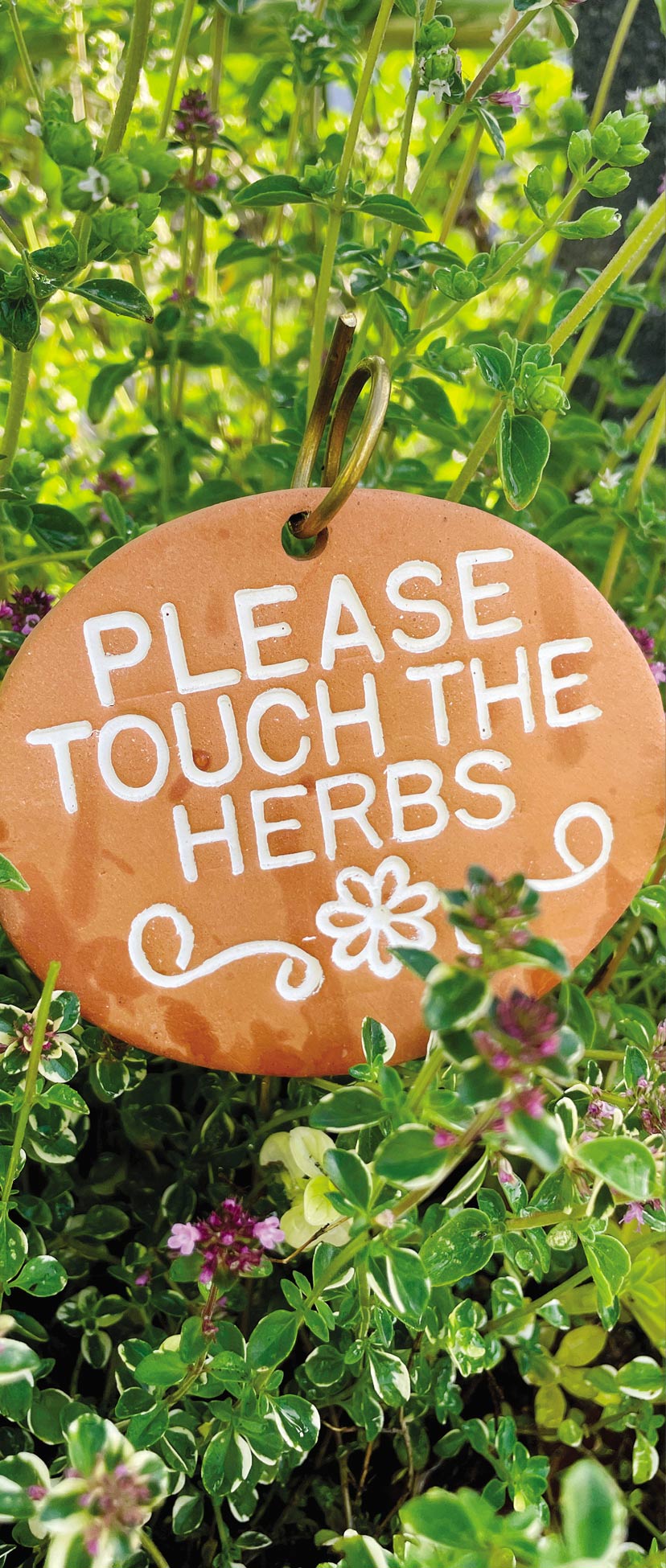
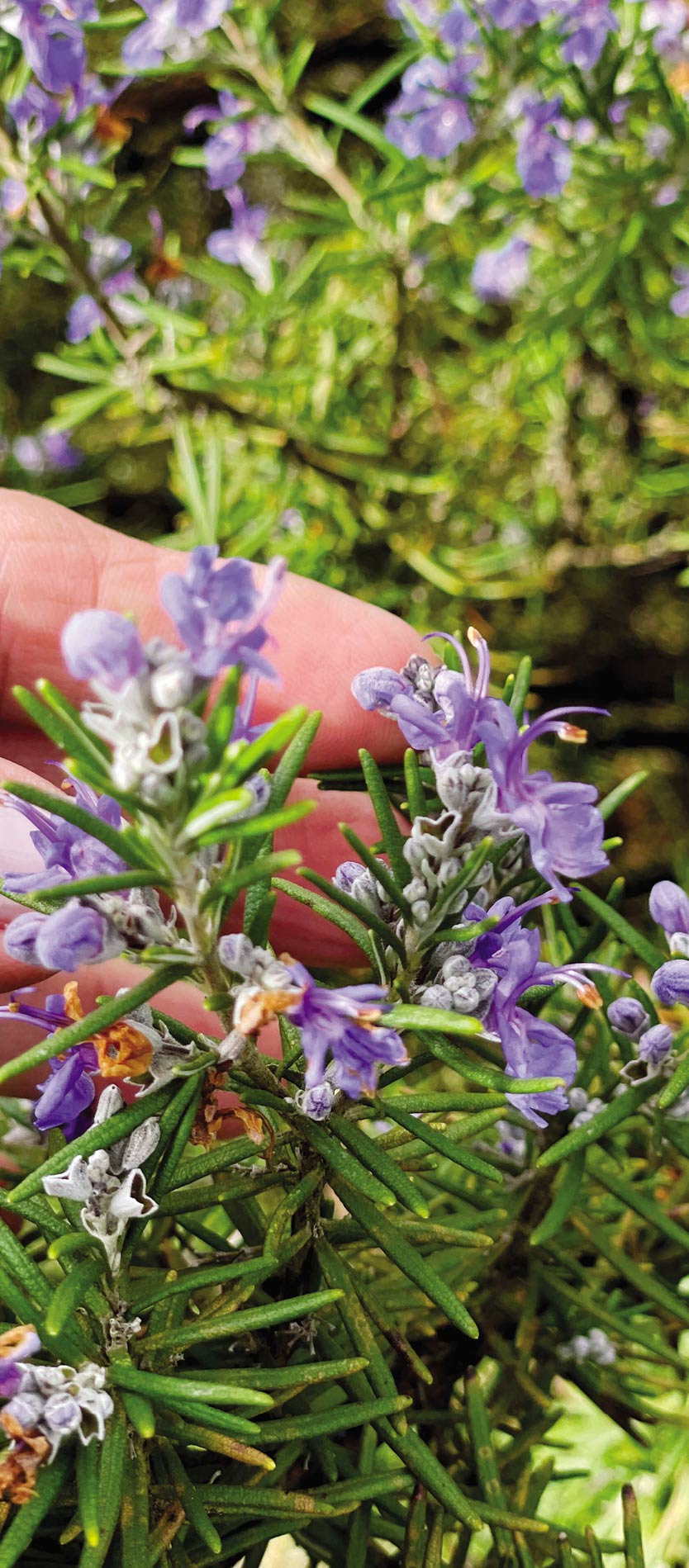
Watch a plant lover walk through the garden; they can’t resist stroking the soft leaves of Lamb’s ear (Stachys byzantina) or running fingers through the airy strands of ornamental grasses like Carex “Frosty Curls.” Incorporate tactile plants and materials where people can naturally brush against them. Add touchable plants along paths, around outdoor seating, or near entryways. Hardscape and structure texture matter, too. The movement of gravel underfoot, the smoothness of tumbled stones, or the roughness of tree bark offers grounding sensations that enhance the tactile experience of a garden.
Smell
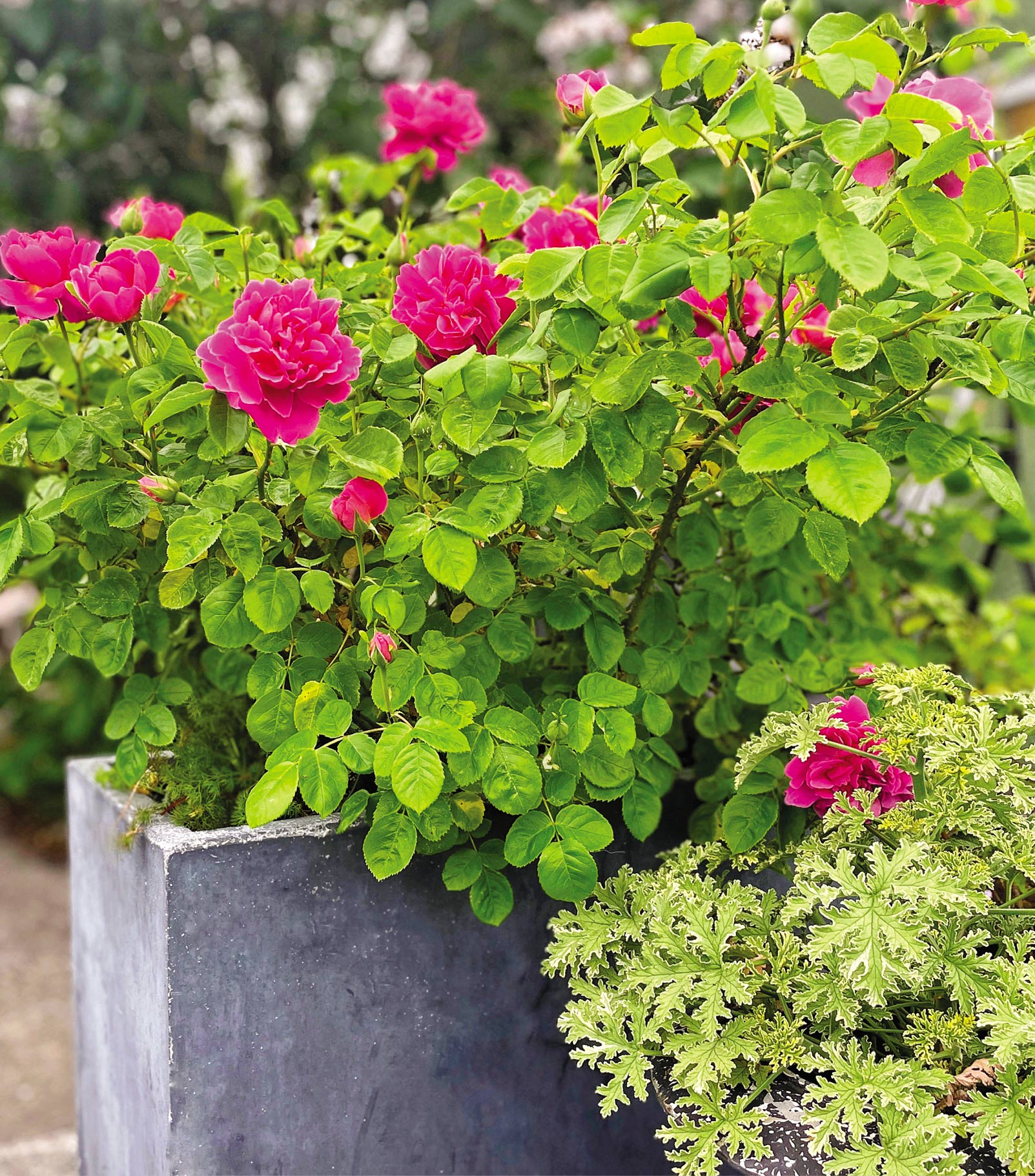
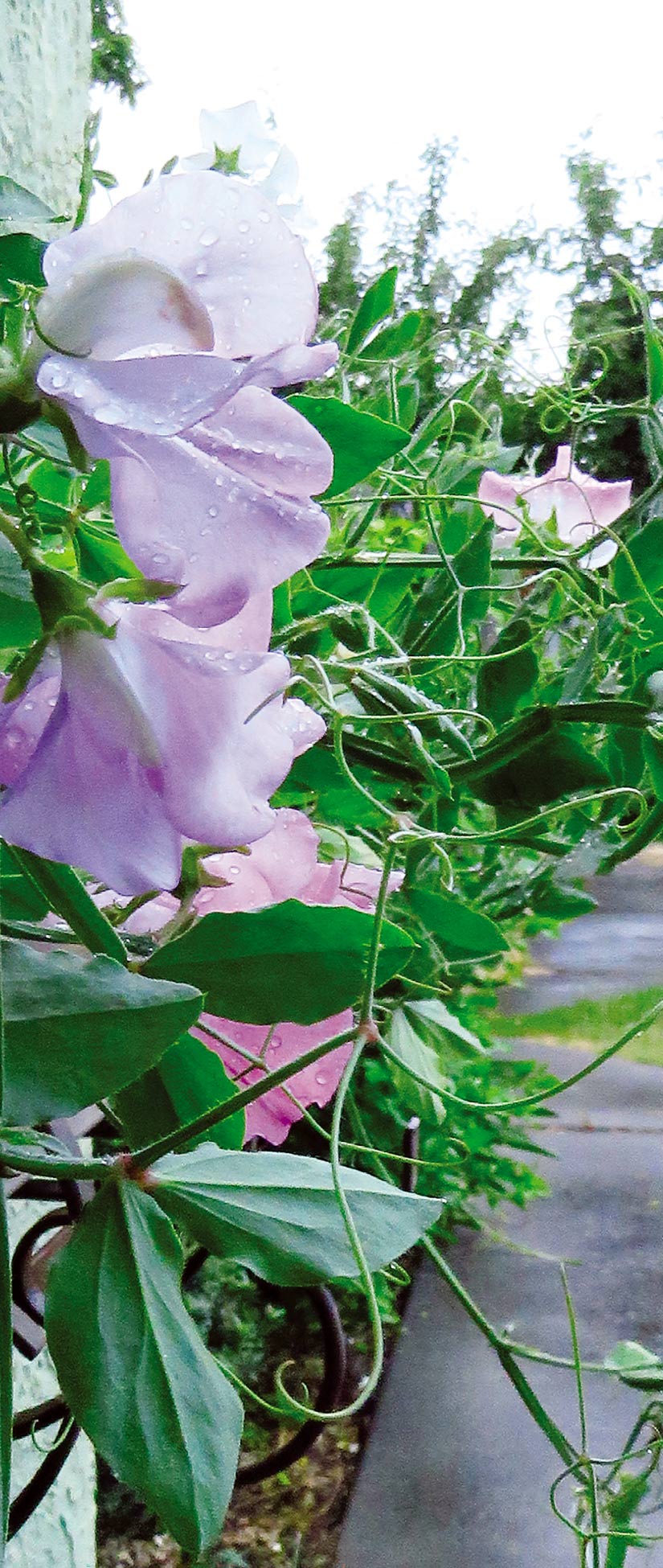
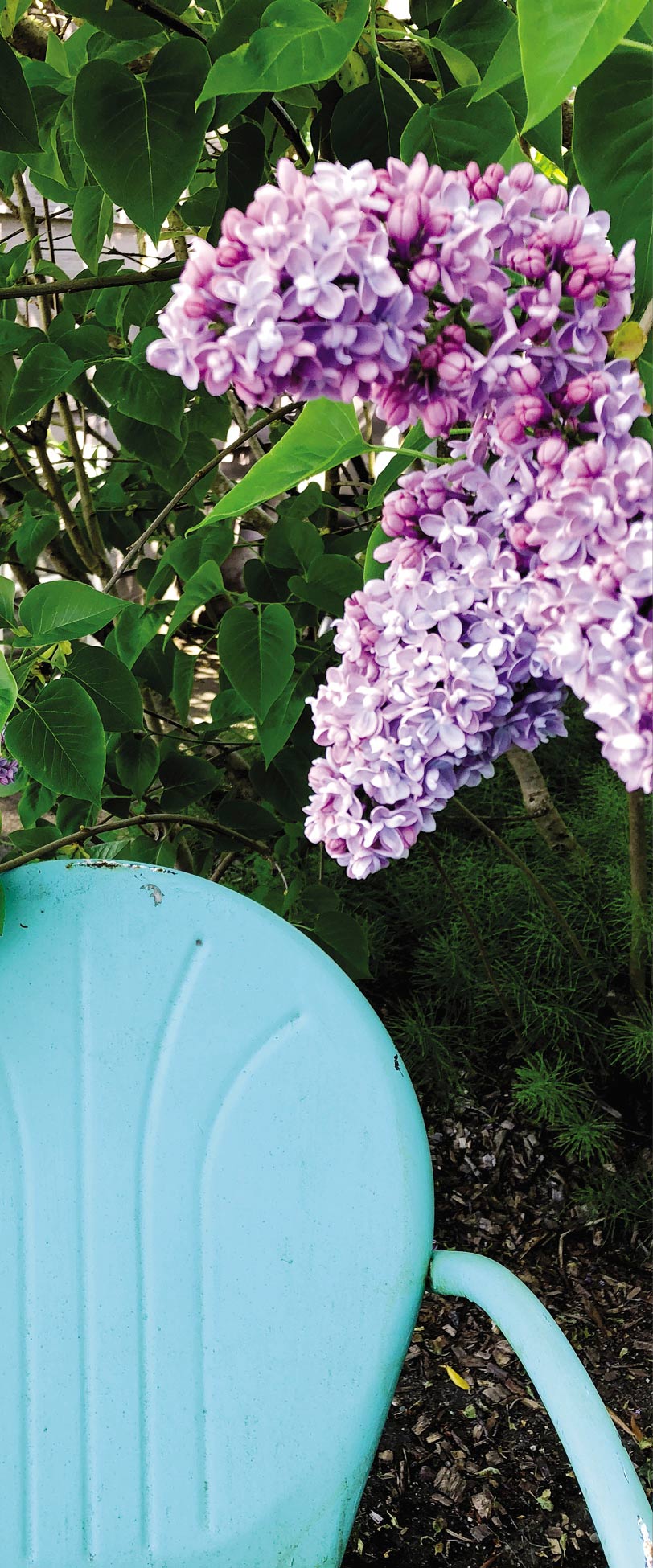
Scent is one of the sensory garden’s most potent and evocative elements. Fragrance stirs memory and emotion, relaxing the mind and body; it’s nature’s form of aromatherapy. Most plants release essential oils in heat and light, while others, like evening-scented flowers, perfume the air as the sun goes down. Like a perfumer blending notes, balance heavy aromas with lighter ones. Choose plants that release fragrance across seasons, such as Daphne, roses, lavender, and sweet peas, so the garden always offers something aromatic. Plant them where you walk or sit so their scent greets you naturally.
Your Sensory Garden
Ask yourself what sense your garden engages most — and what it lacks. Do you have color but little scent? Sound but no softness to touch? A balanced sensory garden doesn’t require grandeur; even a small corner space filled with texture, fragrance, and sound can become a sanctuary. Whether it’s the hum of bees, the scent of lavender, or the taste of a sun-warmed berry, a sensory garden invites you to engage every sense — and to rediscover the healing power of nature.