

The arrival of fall in West Sound is measured in familiar signs: cool mist above the water, mushrooms pushing through the forest floor, and the beginning of leaves bronzing on trees. Inside local wineries, however, the season announces itself with a different set of signs: the rumble of equipment, the fragrance of crushed fruit, and bins of newly harvested grapes waiting to become wine.
Crush is the exhilarating and simultaneously exhausting stretch of time when the previous months of vineyard work all converge in a matter of days. Grapes must be picked when their sugars, acids, flavors, and tannins reach the right balance. Once they arrive at the winery, the fruit is sorted, destemmed, pressed, or placed into fermentation vessels, depending on the variety and the winemaker’s plans.
Across Bainbridge Island, Poulsbo, and Hansville, 2026 vintages are beginning to reveal their personalities.

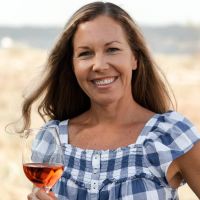
At Eagle Harbor Wine Co. on Bainbridge Island, owner and head winemaker Emily Parsons guides the fruit from harvest through fermentation with a focus on balance and restraint. During crush, decisions come quickly. A few warm days can accelerate ripening, while rain may change the ideal picking window.
The work may be physical and fast-paced, but it’s also filled with anticipation. Fresh juice offers an early impression of what a wine might become, although fermentation, aging, and blending will continue shaping it for months or years.
In Poulsbo, Hard Hat Winery brings a distinct local personality to the winemaking tradition. Founded by veterans with backgrounds in U.S. Navy diving, the winery has built its identity around camaraderie, craftsmanship, and an approachable tasting experience. The baton is now being passed to a new generation of Navy divers, two of whom will run the winery and eventually take over the winemaking.

“This is an exciting time of year for Hard Hat Winery, and it will be my first harvest. As part of the Hard Hat leadership team, I’m looking forward to experiencing the entire process from start to finish,” said C.J. Hegg. “After serving more than two decades as a Navy Diver, I’ve learned that success depends on preparation, trust, and teamwork. That’s one of the things that has drawn me to winemaking. From the vineyard to the crush pad to the bottle, everyone has a role, and the final product depends on the team working together.”
For guests accustomed to seeing wine only after it’s been bottled, harvest offers a reminder that every glass begins as an agricultural product. Temperature, rainfall, vineyard health, picking decisions, and cellar techniques all leave their mark on the final wine. The connection between land and glass is especially visible at Telve di Sopra Vineyard in Hansville.
Located on a 10-acre property in the Puget Sound American Viticultural Area, the vineyard and winery produce estate wines from grapes grown in Hansville. “Estate” carries particular significance during harvest. The journey from vine to fermenter is exceptionally short and typically entails just one person making the wine who has watched the same grapes develop throughout the year — they’ve pruned the vines in winter, monitored bud break and flowering in spring, managed the canopy through summer, and tasted berries as harvest approached.
Darrin Garrett, owner and a winemaker at Telve di sopra Vineyard, said, “This year’s growing season was a few weeks earlier than the average start with early heat in May and June; it should be a great year.”
The vineyard’s locally grown bottlings offer drinkers a rare opportunity to taste wine rooted entirely in North Kitsap. The area’s maritime conditions, long summer daylight, and cool autumn nights can help grapes retain the acidity that gives wine freshness and makes it especially versatile at the table.
During crush, white grapes are commonly pressed soon after arrival, separating the juice from the skin before fermentation. Red grapes generally ferment with their skins on, drawing out color, flavor, and tannin. Throughout the process, winemakers carefully monitor temperature, taste frequently, and respond to a living, changing product.