
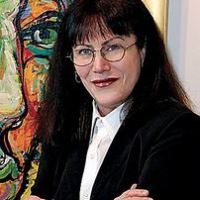

Fifty years ago, I moved back to Bremerton after losing a teaching position in Seattle. The economy was crumbling; a big sign on the way out of town read, “Will the last person leaving Seattle — turn off the lights?” With four college degrees under my belt, I moved back to my hometown and found a job managing a parking lot and rummage-sale building.
The rummage-sale part of the job was fascinating. In school, I studied marketing, and here it was, up close and personal: I saw the process of selling and buying used things. I collected the rummage-sale rent monies when all was set up; I was the first to see and buy. I also bought beaded jewelry to take apart and make bracelets that I would later sell myself.
I did this for several years. Most renting schedules lasted between one and four days. The content was always varied and cheap, and afterward, renters usually donated remaining merchandise to local nonprofits such as Goodwill.
Soon, I opened the Amy Burnett Art Gallery, began writing for local publications, created a weekly cable TV show, and ran a Pyrex museum. Used items always seemed to be in the periphery.
In those 50 years, what did I observe? First, the dozens of young people I interviewed who worked at large nonprofit thrift stores like St. Vincent de Paul glowed with a sense of good, telling me what they did and what the organization they were affiliated with did for the community. I could feel that every one of them was proud to be part of it.
Secondly, changing kitchen trends: Cooking from scratch has taken a backseat to the convenience of delivery. This means folks have fewer casserole dishes and cookware.
Lastly, its content, demand, and tomorrow’s needs. Now, new and old items alike pack the shelves, but I also see more people recycling, repurposing, and considering historical preservation. There are fewer items to select, although those who had once tended to hold on to old items now donate more regularly.
Anything else? Yes: Those used items on the thrift-shop shelves will be more appreciated by the person who buys them next.